




How a Career Coach Can Accelerate Your Job Search and Help You Choose the Right One

A job search can start to feel like a full-time job with no clear manager, no feedback loop, and no obvious finish line. You send applications, tweak your resume, wait, second-guess yourself, and wonder whether the problem is your experience, your materials, your strategy, or the market.
That is where a career coach can help. A good coach brings structure, honest feedback, and a sharper plan. They do not magically hand you a job, but they can help you stop wasting time on tactics that are not working and focus on the steps most likely to lead to interviews and offers.

A career coach helps you get clear before you apply
Many job searches stall because the target is too vague. “I’m open to anything” may sound flexible, but it often leads to scattered applications and weak positioning.
A career coach helps you define what you are actually looking for. That can include:
The roles that match your strengths
The industries where your experience translates well
The work environment you prefer
The salary range and benefits you need
The dealbreakers you should not ignore
This clarity matters because employers respond to focus. A resume that speaks directly to a project manager role will usually perform better than one trying to appeal to project management, operations, customer success, and marketing all at once.
A coach may ask questions you have not stopped to answer. What parts of your last job gave you energy? What kind of responsibilities do you want more of? Where have you had the strongest results? Those answers shape your search and make your story easier to explain.
A strong job search starts with a clear target, not a larger stack of applications.
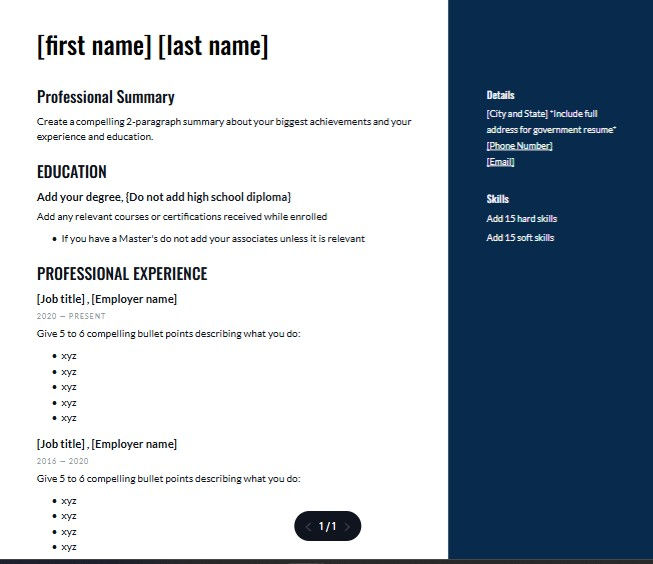
A coach can strengthen your resume, LinkedIn profile, and interview story
Most job seekers are too close to their own experience. They either undersell themselves or pack their resume with every task they have ever handled. A career coach can help separate what matters from what simply takes up space.
The goal is not to make your background sound bigger than it is. The goal is to make it easier to understand.
A coach can help you:
Turn job duties into results
Choose the right keywords for applicant tracking systems
Remove outdated or distracting details
Build a stronger LinkedIn headline and summary
Explain career gaps, pivots, or layoffs with confidence
For example, “managed customer requests” is forgettable. A stronger version might show volume, complexity, or impact, such as improving response times, supporting key accounts, or training new team members. The details will depend on your actual work, but the shift is the same. A coach helps you show value clearly.
Interview preparation is another major benefit. Many people prepare by rereading their resume. That is rarely enough. A coach can help you practice answers to common questions, shape concise stories, and avoid rambling under pressure.

A coach adds structure and accountability to your search
One of the hardest parts of looking for a job is staying consistent. Some weeks are productive. Other weeks disappear into job boards, anxiety, or silence from employers.
A career coach can help you create a rhythm. That may include weekly goals, networking outreach, interview practice, resume updates, and reflection on what is working. Instead of guessing, you track the search like a project.
A strong plan may include:
A focused list of target roles
A weekly application goal based on quality, not volume
A networking plan that feels natural
Follow-up templates
Time blocks for research and interview prep
This is one reason working with a career coach can accelerate your job search. You spend less time spinning your wheels and more time taking clear, useful action.
Accountability also helps when motivation drops. A coach can remind you what you said you wanted and help you keep moving when rejection feels personal. They can also spot patterns. If you are getting no interviews, your materials or targeting may need work. If you are getting interviews but no offers, your interview strategy may need attention.

What to look for when choosing a career coach
Not every coach is the right fit for every job seeker. Before hiring one, look for a match in experience, style, and process.
Relevant experience
A coach does not always need to come from your exact industry, but they should understand the kind of transition you are making. A recent graduate, a mid-career manager, an executive, a career changer, and someone returning after a break may all need different support.
Ask what kinds of clients they usually work with. Listen for examples that sound close to your situation.
A clear process
Good coaching should feel personal, but it should not feel random. Ask how sessions are structured and what happens between meetings. A coach should be able to explain how they assess your goals, review materials, prepare you for interviews, and measure progress.
Be cautious if the only promise is vague encouragement. Support matters, but you are also paying for guidance.
Honest feedback
The right coach will encourage you, but they will also tell you the truth. If your resume is too broad, your answer is unclear, or your search strategy is too passive, they should say so respectfully.
Look for someone who can be direct without being dismissive.
Practical tools
A coach may provide worksheets, resume guidance, interview practice, networking scripts, or job search trackers. These tools should help you take action between sessions.
Ask what you will walk away with after the first few meetings. The answer should be specific.
A style that fits you
Some people want a warm, reflective coach. Others want a direct, tactical partner. Neither is wrong. The best fit is the one that helps you make progress.
Before committing, consider scheduling a consultation. Pay attention to how the coach listens. Do they ask thoughtful questions? Do they understand your concerns? Do they explain their approach clearly?
Red flags to avoid
A career coach can be a smart investment, but be careful with anyone who overpromises. No coach can guarantee a job offer, a specific salary, or a perfectly smooth search.
Watch out for:
Guaranteed results that sound unrealistic
Pressure to buy a large package immediately
A one-size-fits-all process
Little interest in your goals or background
No clear explanation of fees or services
Advice that feels outdated or generic
Trust matters. If a coach makes you feel judged, rushed, or confused, keep looking.

The right coach makes the search more focused
A career coach will not do the work for you. You still need to apply, network, prepare, follow up, and make decisions. But the right coach can help you do those things with more confidence and less wasted effort.
The best coaching relationship gives you clarity, stronger materials, better interview skills, and a plan you can actually follow. If your job search feels stuck, scattered, or harder than it needs to be, working with a coach may help you move forward with a sharper strategy and a steadier mindset.


Comments