




How Professionals Over 40 Can Boost Job Marketability and Beat Ageism

A strong career history should open doors, not quietly close them. Yet many professionals over 40 notice a shift when they start a job search. Fewer callbacks. Odd comments about being “overqualified.” Interviewers who seem more focused on age than ability.
The good news is that marketability is not fixed. Professionals over 40 can compete well by showing current skills, clear value, and the ability to adapt. Experience still matters, but it has to be presented in a way that matches how hiring works now.

Ageism is real, and it affects how job seekers are evaluated
Ageism is bias based on age. In hiring, it often shows up through assumptions rather than direct statements. An employer may assume an older candidate costs too much, lacks energy, resists new tools, or will not report to a younger manager. These are stereotypes, not facts.
In the United States, federal law generally protects workers and applicants age 40 and older from age discrimination. Still, age bias can be hard to prove because it often appears in subtle ways.
Common signs include:
Being told a role needs someone with “more energy”
Hearing that the team wants a “culture fit” without a clear explanation
Getting rejected as “overqualified” without discussion of salary or scope
Seeing job ads that ask for “digital natives” or “recent graduates”
Noticing that interviews focus heavily on whether skills are current
The impact is practical and emotional. Age bias can stretch a job search, lower confidence, and push qualified people to undersell themselves. The answer is not to hide a long career. The answer is to translate that career into current business value.
The job market has changed in the last five years
The last five years changed hiring for everyone, but several shifts matter especially for experienced professionals.
Remote and hybrid work became more common. That widened the job pool, but it also increased competition. A candidate may now compete with people across the country, not just across town.
Digital tools became part of nearly every role. Even jobs that are not “tech jobs” may require comfort with collaboration platforms, data dashboards, AI tools, customer systems, or project management software.
Applicant tracking systems became more influential. Resumes now need clear keywords and simple formatting so they can pass both software screens and human review.
Skills-based hiring gained attention. Degrees and years of service still matter in many fields, but employers increasingly ask for proof that a candidate can solve today’s problems.
AI also changed job searching. Candidates use it to draft resumes, research companies, and prepare for interviews. Employers use automation to sort applications or schedule screening steps. This makes clarity more important than ever.

Update skills without starting over
Many professionals over 40 do not need a total reinvention. They need a visible refresh.
Start by comparing job postings for roles of interest. Look for repeated tools, methods, and expectations. If five postings mention the same software, certification, or process, that is a signal.
Focus on skill gaps that affect credibility:
Digital fluency
Show comfort with the tools used in your field. This might include Microsoft Teams, Slack, Salesforce, Tableau, Google Workspace, Excel, Workday, Jira, Asana, or industry-specific systems.
AI literacy
You do not need to become an AI engineer. Learn how common AI tools can help with research, writing, analysis, summaries, or workflow support. Be ready to explain how you use them responsibly.
Data comfort
Many roles now involve basic reporting, metrics, dashboards, or performance tracking. Strengthen Excel, reporting tools, or data storytelling if your field values them.
Recent credentials
Short courses, certificates, workshops, and portfolio projects can help. Choose programs employers recognize or skills you can demonstrate quickly.
A useful rule is simple: if a skill appears on your resume, be ready to discuss how you used it recently. If you learned it recently, add context such as “completed a practical course and applied it to a sample project.”
Present experience as proof, not history
Long experience can be powerful, but only when it feels relevant. A resume that lists every role since the 1990s can distract from current strengths. Most professionals should focus on the last 10 to 15 years, unless earlier work is highly relevant.
Use results rather than timelines. Instead of saying you “managed operations for many years,” describe what improved because of your work.
For example:
Reduced customer response delays by changing the intake process
Trained new team members on quality standards and daily workflows
Helped a department adopt a new scheduling or reporting system
Led projects through budget limits, staff changes, or tight deadlines
These examples show judgment, adaptability, and follow-through.
Also update language. Phrases like “seasoned professional” or “25-plus years of experience” can age a resume without adding value. Replace them with a clear summary of what you do now.
Try this style:
Operations leader who improves service quality, strengthens team performance, and guides process changes across complex environments.
That sounds current. It also points to problems an employer needs solved.

Reduce age bias during the job search
You cannot control every bias, but you can reduce the openings for assumptions.
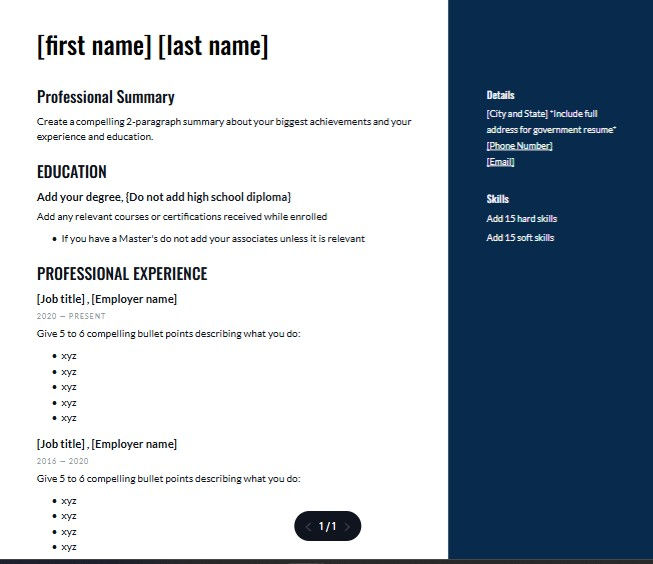
Refresh your resume design. Use a clean format, current keywords, and a professional summary. Remove graduation years if they are not needed. Leave off outdated software and early-career jobs that do not support your target role.
Update LinkedIn. Use a current photo, a clear headline, and a profile that matches your resume. Add recent courses, projects, volunteer work, or consulting if they show active skill use.
Prepare for “overqualified” concerns. Employers may worry about salary, boredom, or retention. Address the concern calmly.
You could say:
I’m interested in this role because it matches the kind of work I want to do now. The scope is a strong fit, and I’m focused on contributing long term.
Show comfort with younger managers and mixed-age teams. Avoid comments that compare generations. Instead, talk about collaboration, coaching, and learning from different viewpoints.
Practice interview stories that prove adaptability. Choose examples where you learned a new system, handled change, worked with new leadership, or shifted direction based on data.
Build a network that works before you need it
Networking is not asking strangers for jobs. It is building useful professional conversations.
Start with people who already know your work:
Former managers
Past coworkers
Clients or vendors
Alumni contacts
Industry association members
Friends in adjacent fields
Send short, specific messages. Ask for insight, not favors. For example, “I’m exploring operations roles in health care and noticed your team has grown. I’d value 15 minutes to hear what skills are most useful right now.”
Also attend events where learning is the focus. Webinars, local association meetings, certificate cohorts, and volunteer groups can create natural connections. The best network for a professional over 40 often comes from reputation plus renewed visibility.
Stay active even when employed. Share useful articles, comment thoughtfully, offer help, and keep relationships warm. A job search becomes less lonely when people already remember what you bring.

Take confidence from what experience really gives you
Professionals over 40 bring more than years. They bring pattern recognition, judgment, patience, client skills, crisis experience, and the ability to mentor others. Those strengths matter when they are paired with current tools and clear communication.
The goal is not to seem younger. The goal is to seem ready.
Update one skill this month. Refresh one resume section this week. Contact one person today. Small steps build momentum, and momentum changes how the job market sees you.


Comments