




Job Searching in 2026 What Every Candidate Needs to Know

The job search has become faster, noisier, and more automated. A strong resume still matters, but in 2026 it is only one part of the process. Candidates now have to think about AI screening, skills-based hiring, video interviews, remote competition, and scams that look more polished than ever.
The good news: the basics still work. Clear positioning, proof of results, thoughtful outreach, and steady follow-up can set a candidate apart. The difference is that those basics now need to be sharper.

AI is part of the hiring process now
Many employers use software to sort applications, compare resumes to job descriptions, schedule interviews, or draft recruiter messages. Some hiring teams also use AI tools to summarize interviews or manage candidate pipelines.
That does not mean a human will never read an application. It means the application has to be easy for both software and people to understand.
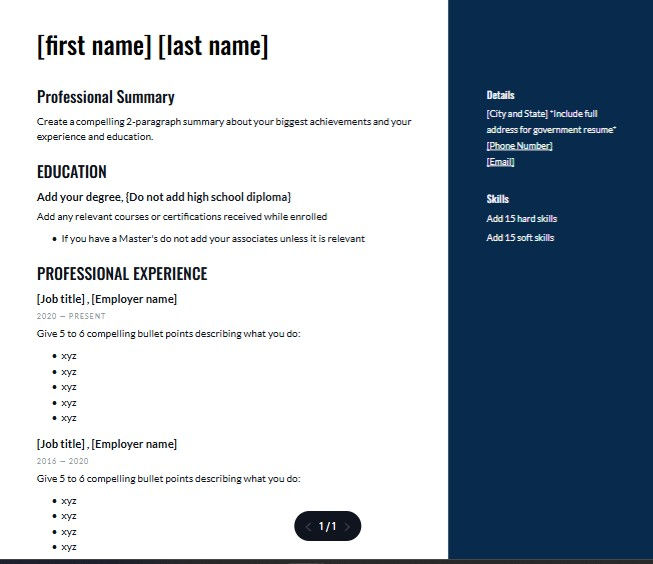
A resume in 2026 should be simple, specific, and tailored. Fancy layouts, graphics, icons, and unusual formatting can create problems. A clean format with clear headings usually performs better.
Use language that matches the role, but do not copy the entire job posting. If the listing asks for “customer retention,” “Python,” “inventory planning,” or “project coordination,” those exact terms should appear when they honestly describe the candidate’s experience.
Strong bullets still follow a simple pattern:
What changed
How it changed
What tool, process, or skill helped
The result when a result is available
For example, “Reduced weekly reporting time by rebuilding the spreadsheet template and adding automated checks” is stronger than “Responsible for reports.”
Job searching in 2026 also requires good judgment with AI writing tools. They can help draft cover letters, tighten resume bullets, and prepare interview answers. They should not replace the candidate’s voice. Generic applications are easy to spot because they sound polished but empty.
Skills are becoming the clearest signal
Degrees and previous job titles still matter in many fields, but employers are paying more attention to skills. This is especially true in technology, operations, sales, health care support, logistics, finance, creative production, and skilled trades.
A candidate should make skills visible in three places:
The resume
The LinkedIn profile or portfolio
Interview stories
The skills section should not be a keyword dump. It should be short and relevant. A customer support candidate might list CRM tools, conflict resolution, ticket triage, and knowledge base writing. A data analyst might list SQL, Excel, dashboard building, data cleaning, and stakeholder reporting.
Proof matters more than claims. A portfolio can help even outside creative fields. It might include:
A short case study
A sample report using public data
A project summary
A before-and-after process improvement
A certification paired with a practical example

Remote and hybrid roles attract wider competition
Remote work is no longer new, and many employers have clearer rules about it. Some roles are fully remote, some are hybrid, and some are location-based even if much of the work happens online.
Candidates should read location requirements closely. A “remote” role may still require the employee to live in a certain state for tax, payroll, licensing, or time zone reasons. Hybrid roles may require weekly office attendance, even if the posting sounds flexible.
Because remote roles attract applicants from across the country, applications need to answer the employer’s most obvious concerns:
Can this person communicate clearly?
Can this person manage work without constant supervision?
Has this person worked across time zones or teams before?
Can this person show progress and solve problems early?
A resume can address this without saying “I am good at remote work.” Better proof would be a bullet like, “Coordinated weekly project updates across three time zones and kept launch tasks on schedule.”
Hybrid job seekers should also think about commute reality. A role that looks great on paper can become draining if the travel is harder than expected. Before applying, check the likely commute, parking, transit options, and schedule expectations.
Networking is becoming more practical and less awkward
Networking has a bad reputation because many people picture forced small talk or asking strangers for favors. The better version is simpler: build a small circle of people who understand the kind of work being pursued.
The best outreach is specific and respectful. A short message works better than a long pitch.
A good note might say:
“I saw your team is hiring for a supply chain coordinator role. I have experience with vendor communication and inventory tracking, and I’m trying to learn more about the team’s priorities. If you are open to it, I’d appreciate one or two tips before I apply.”
This message does three things well. It shows context, names relevant experience, and makes a small request.
Referrals can still help, but they are not magic. A referral may get an application seen sooner. It does not replace qualifications, interview preparation, or follow-through.

Interviews now test preparation and judgment
Interviewing in 2026 often includes more steps. A candidate may face a recruiter screen, hiring manager interview, panel interview, skills task, recorded video response, or final conversation with senior leaders.
Preparation should focus on stories. Most interview questions are really asking for evidence. The strongest answers show a situation, the action taken, and the result.
Prepare stories for common themes:
Solving a problem
Handling conflict
Learning something quickly
Working with limited direction
Improving a process
Recovering from a mistake
Supporting a customer, client, teammate, or patient
Candidates should also prepare questions that reveal how the job actually works. Good questions include:
“What would success look like in the first 90 days?”
“What problems would this person need to solve first?”
“How does the team share feedback?”
“What tools or systems does the team use every week?”
Pay is another area where preparation helps. Salary ranges are more common in job postings than they used to be, especially in states with pay transparency laws. Still, ranges can be wide. Before discussing pay, candidates should know their target number, their walk-away number, and the full value of benefits such as health insurance, retirement plans, paid time off, and remote flexibility.
Scams and low-quality postings require extra caution
Job scams have become more convincing. Fake recruiters may use real company names, polished messages, and urgent hiring language. Some may ask for personal information, payment, equipment purchases, or bank details too early.
A serious employer will not ask a candidate to pay for a job. Be cautious with interviews conducted only through chat apps, vague job descriptions, unusually high pay for simple work, and email addresses that do not match the company’s domain.
Before sharing sensitive information, check the company’s official careers page. If the role is not listed there, contact the company through its website to confirm.
Job seekers should also watch for low-quality postings that waste time. Signs include unclear duties, no salary range where one is expected, unrealistic requirements, and language that hides whether the role is contract, commission-only, or unpaid training.
The smartest search is focused and consistent
A better job search is not always a bigger one. Sending hundreds of rushed applications can feel productive, but it often leads to silence. A focused search usually works better.


Comments